English in Pool: What It Is and 7 Simple Tips to Use Side Spin
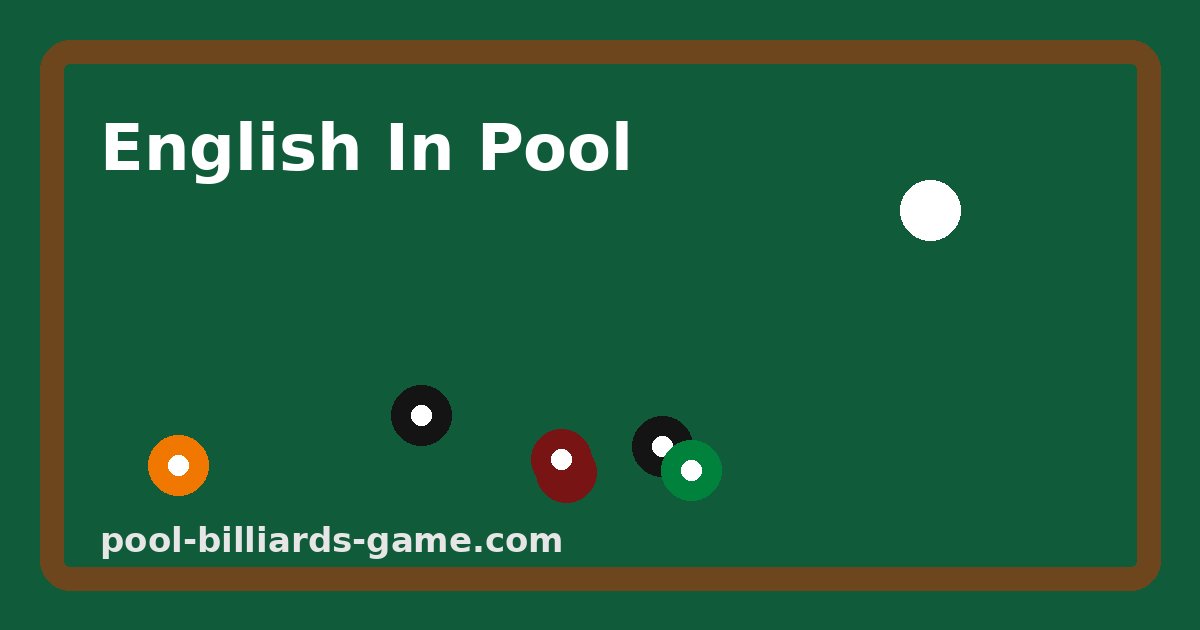 English in pool means hitting the cue ball left or right of center to put side spin on it.
Quick answer: English in pool is side spin on the cue ball. You put it on by hitting the cue ball to the left or right of center. Left English makes the cue ball spin to the left. Right English makes it spin to the right. The spin changes how the cue ball comes off a rail, and it also pushes the cue ball a little off your aim line. Most of the time, beginners should use as little English as they can.
People say "put some English on it" all the time in pool halls. But what does it really mean, and when should you use it? I have played pool for over 50 years, and here is the plain truth about English, from the basics to the mistakes I see most.
What Is English in Pool?
In pool, "English" is the name for side spin. When you hit the cue ball in the exact center, it rolls straight with no side spin. When you hit it to the left or right of center, it spins like a top as it rolls.
Some players also call top spin and back spin "English." But most of the time, when someone says English, they mean left or right spin. Top spin is called follow. Back spin is called draw.
What Does Left English and Right English Do?
Here is what side spin does on the table:
- Off a rail: The spin "grabs" the rail. Right English makes the cue ball come off the rail more to the right. Left English makes it come off more to the left. This is the main reason to use it.
- On the object ball: A little of the spin can rub off onto the ball you hit. This is called throw. It can push the object ball a small amount off line.
- On the cue ball path: When you hit off center, the cue ball does not go exactly where your cue points. This is called squirt or deflection. The cue ball goes a little to the opposite side.
Why Is It Called English?
Nobody knows for sure. One common story says English players showed the trick to American players, and the name stuck. In the UK, players usually just call it "side." Either way, it means the same thing.
When Should You Use English?
Use English when a center hit will not get the cue ball where you need it. Here are good times to use it:
- To get the cue ball off a rail at a wider or tighter angle for your next shot.
- To keep the cue ball from going into a pocket after it hits a rail.
- To make a ball when the cue ball is frozen to a rail and you need it to hug the rail.
- On some bank shots, to change how the object ball comes off the cushion.
If a center hit, follow, or draw will do the job, use that instead. Fewer moving parts means fewer misses.
7 Simple Tips for Using English
- Learn center ball first. You need a straight stroke and a center hit before side spin makes sense.
- Use the least English you need. Half a tip off center is plenty for most shots.
- Slow down. Squirt and throw change with speed. A softer stroke is easier to control.
- Keep your cue level. If you jack up the back of your cue, side spin can make the cue ball curve.
- Adjust your aim. Because of squirt, you may need to aim a hair to the side you are putting English on. Practice to learn how much your own cue squirts.
- Watch the rail. Hit the same shot with no English, then left, then right. Watch where the cue ball goes after the rail. This teaches you more than any book.
- Practice one thing at a time. Do not mix English with hard draw while you are learning.
Common Mistakes With English
The biggest mistake I see is using English on every shot. It looks fancy, but it makes simple shots hard. The second mistake is hitting too far off center, which can cause a miscue. A miscue is when the cue tip slides off the cue ball. Chalk before every shot, and stay inside the area about one tip from center.
A Simple English Drill
Put the cue ball near the middle of the table. Put an object ball about a foot from a corner pocket, at a slight angle. Shoot it in three times with center ball, three times with left English, and three times with right English. Use the same soft speed each time. Mark where the cue ball stops. In a few minutes you will see how English changes the path off the rail.
Keep Learning
English works best when your basics are solid. Read my page on cue ball control to learn follow, draw, and stop shots. Then see how to aim in pool, since English changes your aim a little. For more tips, visit pool billiards tips.
Frequently Asked Questions
What is English in pool?
English is side spin on the cue ball. You put it on by hitting the cue ball left or right of center.
What does right English do?
Right English makes the cue ball spin to the right, so it comes off a rail more to the right than a center hit would.
Should beginners use English?
Beginners should learn center ball, follow, and draw first, then use only a little English when a center hit will not get position.
Why does the cue ball miss when I use English?
Hitting off center makes the cue ball squirt a little to the opposite side, and spin can throw the object ball. Slow down and adjust your aim slightly.
How far off center should I hit for English?
For most shots, about half a cue tip off center is enough. Going much past one tip can cause a miscue.
Tips, rules, and drills to play better pool